Attracting millions of tourists from around the world every year, the Ancient City of Side stands out not only for its breathtaking natural beauty but also for its deep-rooted and rich history. The historical ruins, ancient roads, and traces of magnificent structures within the city offer visitors the feeling of traveling back in time.
Built on an area of approximately 400 square kilometers, the Ancient City of Side was one of the most important port cities of its era thanks to its seaside location and the settlement it hosted throughout history. Ruled by the Lydians, Persians, Hellenistic kingdoms, Romans, Seljuks, and Ottomans, the ancient city bears significant cultural traces of these historic civilizations.
In our blog post, we have compiled everything you need to know about the Ancient City of Side, including transportation information, museum access, entrance fees, and the must-see attractions. Enjoy your reading!
Where Is the Ancient City of Side? How to Get There
Getting to the Ancient City of Side is quite easy. The nearest airport is Antalya Airport, located approximately 65 kilometers away. From the airport, you can reach Side by renting a car, taking a transfer service, or using a taxi.
The Ancient City of Side is located about 7 kilometers from the coastal area of Manavgat, one of Antalya’s most beautiful districts. If you are staying at Melas Resort Hotel on Side’s stunning coastline, you can reach the Ancient City of Side within just a few minutes.
Ancient City of Side 2026 Entrance Fees
One of the most visited archaeological sites in Antalya, the Ancient City of Side is open to visitors every day of the week. However, visiting hours vary by season. During the summer season, from April 1 to October 1, you can visit between 08:30 and 19:30. Between October 1 and April 1, the site is open until 17:30. During certain periods, special night visits may be organized, allowing for more flexible closing hours.
You can visit the Ancient City of Side free of charge with a Museum Pass (Müzekart). You can obtain your Museum Pass from sales points operated by the Republic of Türkiye Ministry of Culture and Tourism. The Side Museum, located within the ancient site, requires an additional entrance fee of 450 TL. This fee may vary depending on the season. For international visitors, admission to the Ancient City of Side is €7, admission to the Side Museum is €10, and the combined ticket price is €10. The Side Theatre is currently closed to visitors due to restoration work.
Places to Visit in the Ancient City of Side
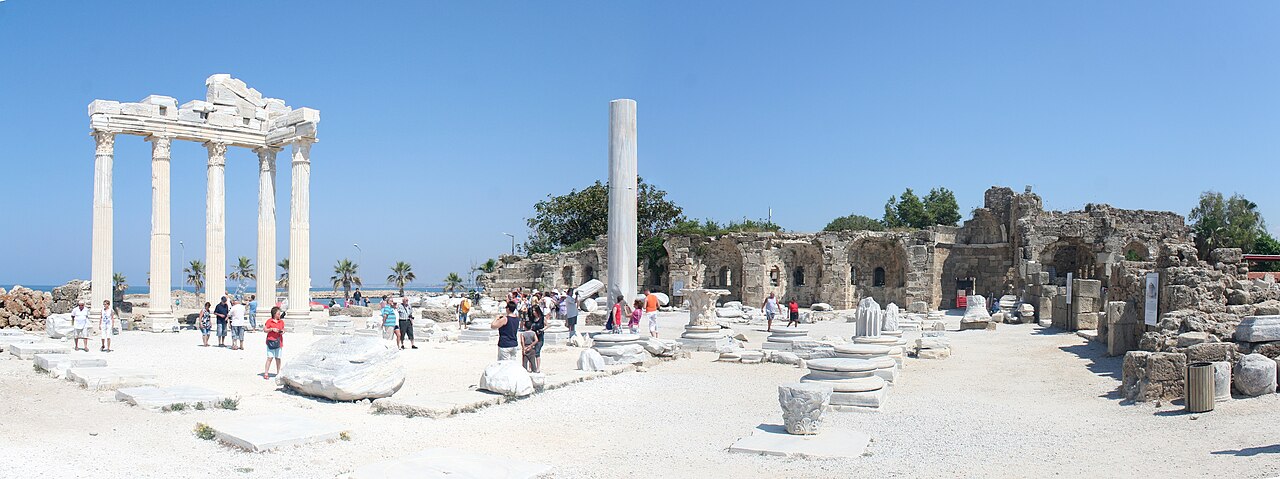
Imagine an open-air museum nestled between the turquoise waters of the Mediterranean and forests filled with every shade of green, where some of history’s greatest civilizations once flourished. The Ancient City of Side will captivate you with both its natural beauty and its cultural richness.
Some of the must-see landmarks within the ancient site include:
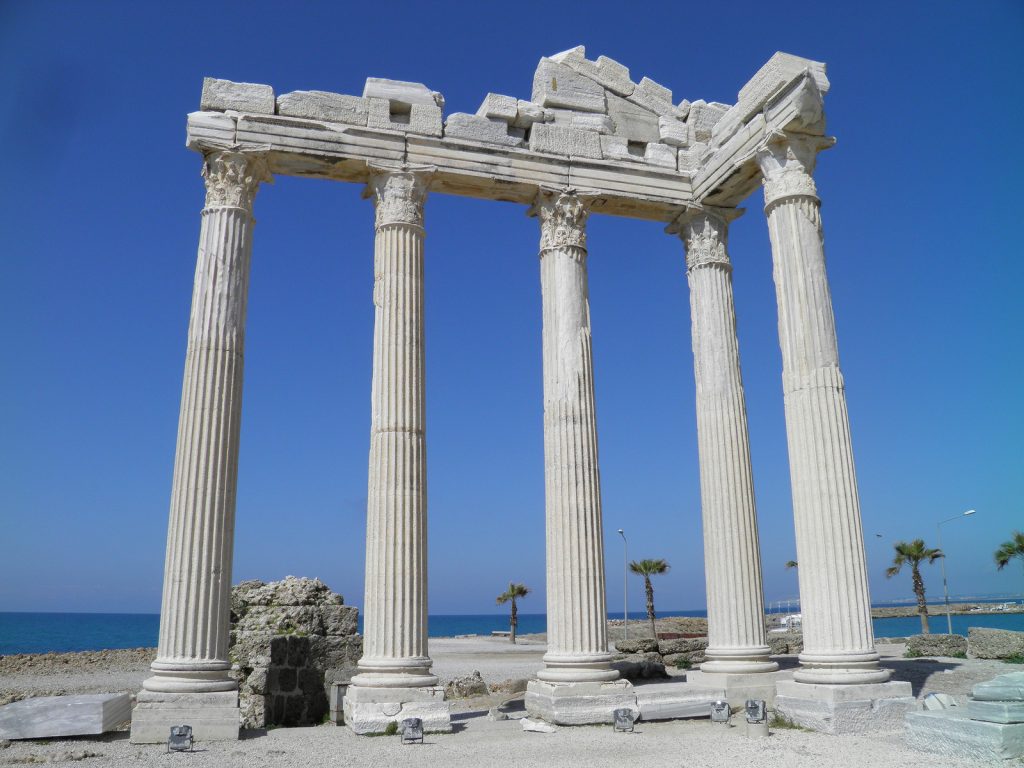
- Temple of Apollo: Considered one of humanity’s most important cultural heritage sites, the Temple of Apollo is a must-see thanks to its seaside location and elegant Ionic architecture.
- Temple of Dionysus: Located right next to the ancient theater, the Temple of Dionysus is an important site for observing the close relationship between religious architecture and cultural life.
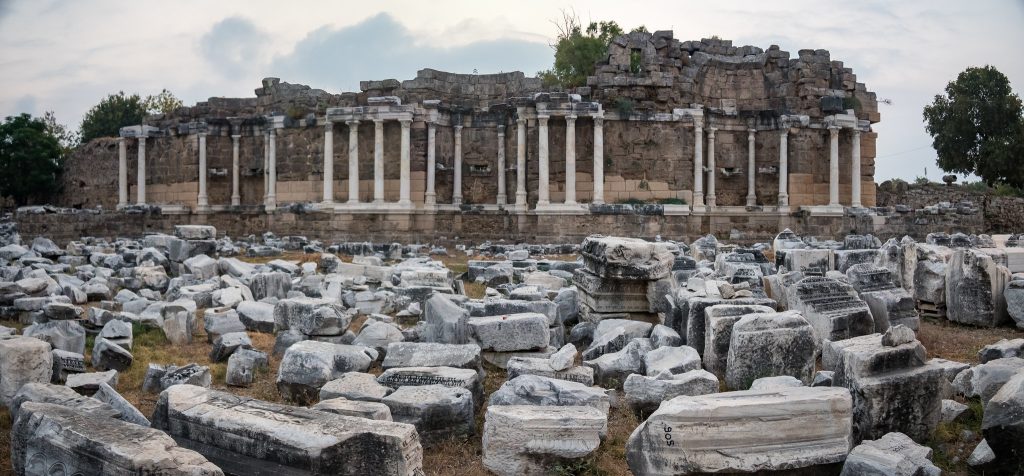
- Nymphaeum and Roman Bath: The monumental Nymphaeum fountain and the Roman Bath, once the center of daily life, provide valuable insights into the city’s infrastructure and how water was supplied. Here, you can also discover fascinating details about the bathing culture of the period.
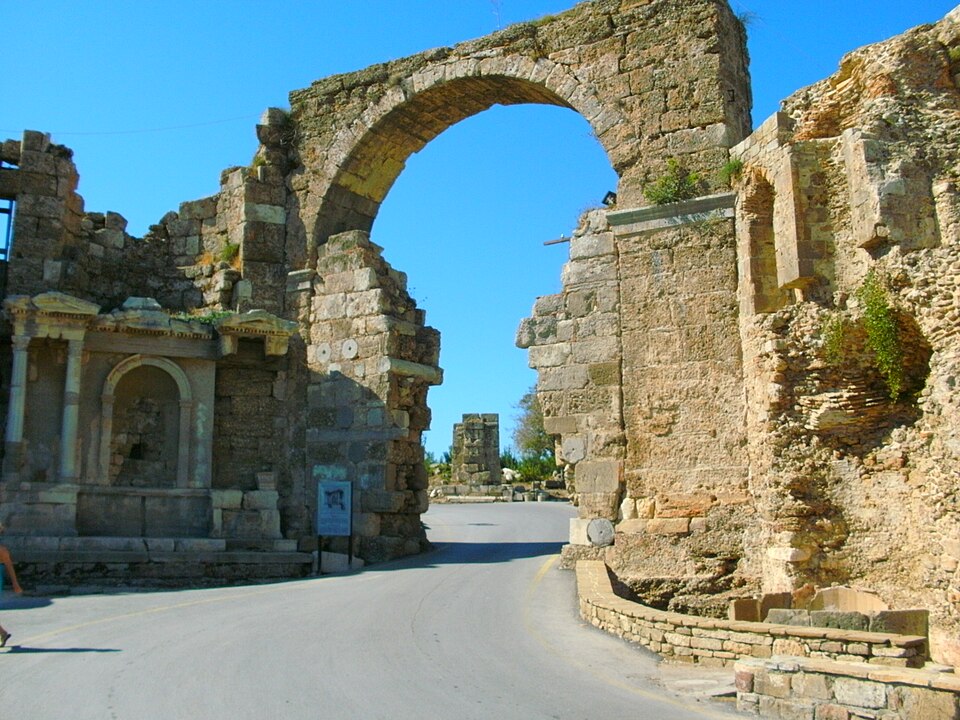
- Ancient City Walls and Gates: Built on a peninsula, Side’s powerful defense system consisted of its city walls, which protected the city from both land and sea attacks. Today, these fortifications reveal the ancient city’s boundaries, main entrances, and defensive strategies to history enthusiasts.
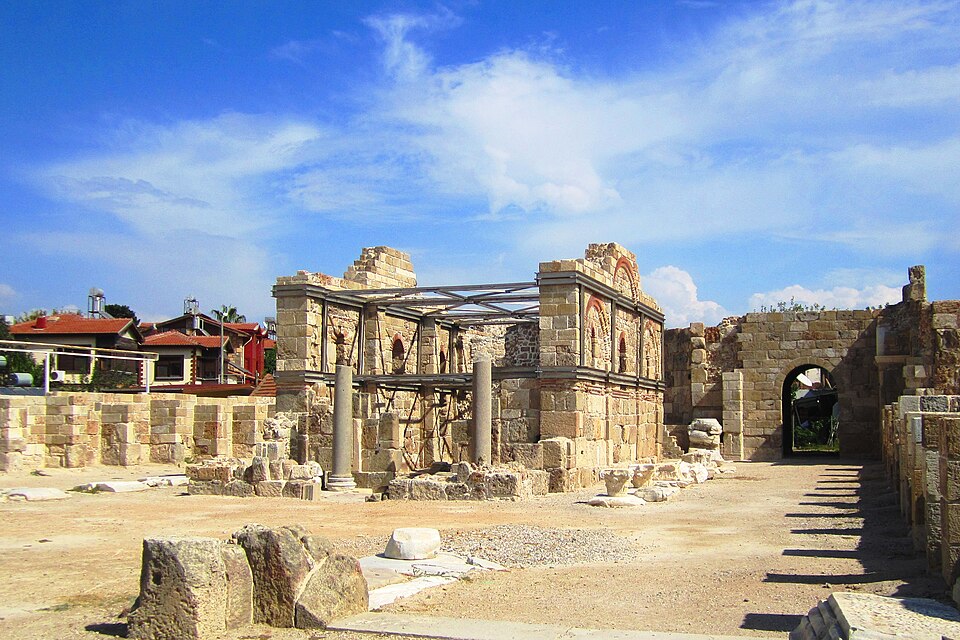
- Basilica: Demonstrating that Side became an important religious center during the Byzantine period, the Basilica highlights the presence and influence of Christian culture within the city.
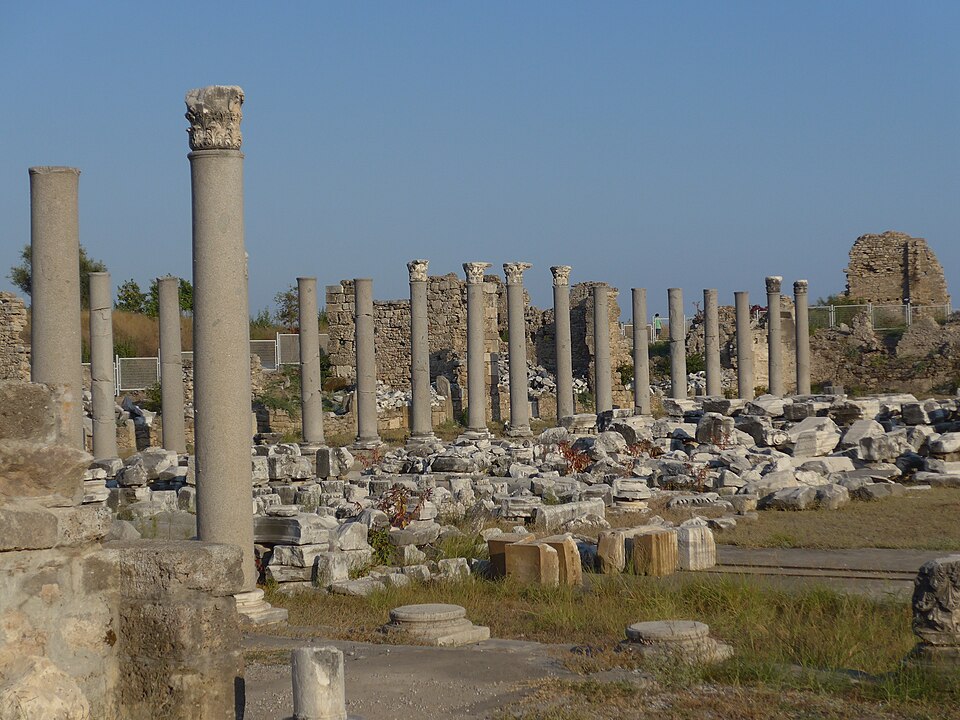
- Commercial Agora: In ancient Side, shopping, public gatherings, and social interactions took place in the Agora, the center of commercial and civic life. This area is essential for understanding the city’s everyday life.
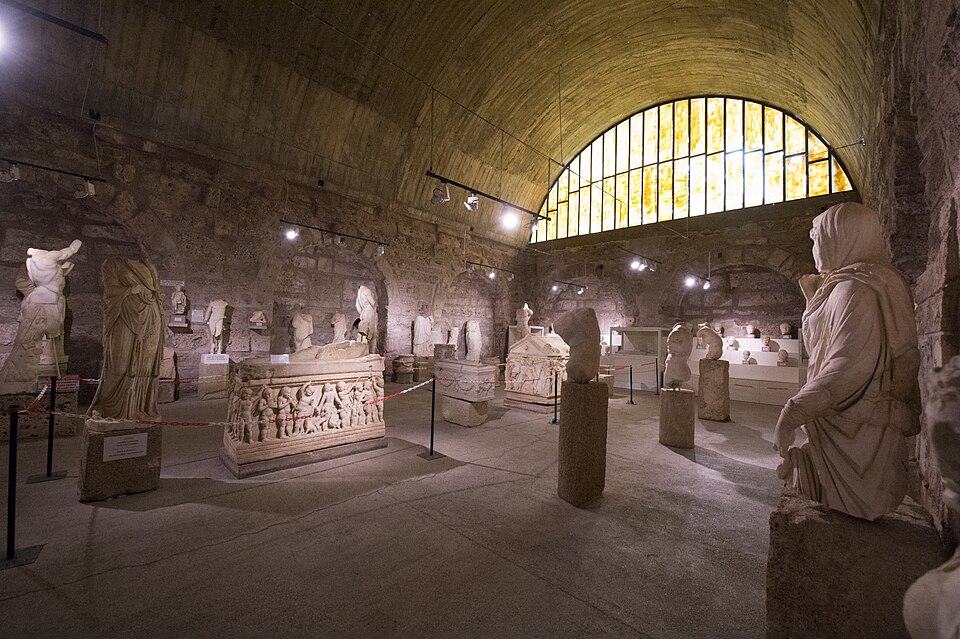
- Side Museum: Housed within a Roman bath complex, the Side Museum displays artifacts unearthed from the Ancient City of Side. These exhibits allow visitors to explore the city’s history and architectural heritage in their original context.